
Known as the “Queen of the Hills,” Mussoorie is one of the most popular hill stations in North India – and one of the closest to Dehradun Airport, making it an easy add-on whether you’re planning a weekend escape or a longer mountain retreat. But timing your visit right makes a real difference here, since the town looks and feels completely different depending on the season. Here’s a full breakdown of when to go and what to see once you’re there.
Quick Overview
Mussoorie sits at an elevation of around 2,000 metres in the Garhwal Himalayan range, roughly 55–60 km from Dehradun Airport, about a 2 to 2.5-hour drive via Dehradun city. The best overall months to visit are March–June and September–November, with each season offering a distinctly different experience — from misty monsoon greenery to snow-dusted winter views.
Mussoorie Weather: Season-by-Season Guide
Summer (March–June)
This is Mussoorie’s peak season, and for good reason. Daytime temperatures stay in a pleasant 15–25°C range while the plains below swelter, making it a classic summer retreat. Expect clear skies, good visibility of the surrounding valleys, and – because it’s peak season – noticeably larger crowds and higher hotel rates, especially through May and June.
Monsoon (July–September)
Mussoorie turns lush and green during monsoon, with waterfalls at their fullest and the hills wrapped in mist. It’s a beautiful time for photography and a quieter, more atmospheric visit with far fewer tourists. The tradeoff is heavy rainfall, occasional landslides on approach roads, and reduced visibility on viewpoints – so this season suits travelers who don’t mind unpredictable weather in exchange for lower prices and a peaceful town.
Autumn (October–November)
Often considered the most underrated time to visit. The monsoon clouds clear out, skies turn crisp and clear, and temperatures settle into a comfortable 10–20°C range. This is arguably the best window for photography and long walks, with clear Himalayan views and far fewer crowds than the summer rush.
Winter (December–February)
Mussoorie transforms into a proper snow destination in peak winter, particularly around Gun Hill, Lal Tibba, and Cloud’s End, with occasional snowfall in January. Temperatures can drop to 0-5°C or lower at night, so this season is best for travelers specifically chasing snow and a cozy hill-town winter experience, with warm clothing being essential.
Best Time to Visit - Our Recommendation
- For pleasant weather without crowds: October–November
- For a classic summer hill-station experience: April–June
- For snow: Late December–January
- For lush green landscapes and lower prices: July–September (accept some rain-related disruption)
- Avoid if possible: Peak monsoon weeks in August, when landslide risk on approach roads is highest
Top Places to Visit in Mussoorie
1. Mall Road
The social and commercial heart of Mussoorie – a pedestrian stretch lined with cafes, shops, and viewpoints. Best experienced in the evening when it lights up and comes alive with visitors.
2. Kempty Falls
One of the most popular waterfalls in the region, about 15 km from the main town. It gets crowded, especially in summer, but the pools at the base are a favorite spot for visitors to wade in and cool off.
3. Gun Hill
The second-highest point in Mussoorie, reachable by a cable car ride from Mall Road or a moderate uphill walk. On a clear day, the views of the Himalayan snow peaks and the Doon Valley below are some of the best in town.
4. Camel's Back Road
A scenic, largely flat 3 km walking road connecting Kulri and Landour, named after a camel-shaped rock formation along the way. It’s a favorite for an evening stroll with sweeping valley views and is far quieter than Mall Road.
5. Lal Tibba
The highest point in Mussoorie, offering the most expansive Himalayan panorama in the area, including views toward Bandarpunch peak on a clear day. There’s a telescope point here for a closer look at the peaks.
6. Landour
A quieter, more residential cantonment area just above Mussoorie town, known for its old colonial-era buildings, bakeries, and a distinctly slower pace than the main bazaar. A good half-day escape if Mall Road starts to feel too busy.
7. Company Garden
A well-maintained garden with a small lake, boating, and a handful of joy rides – a relaxed, family-friendly stop, especially with children.
8. Cloud's End
Located at the western edge of Mussoorie, this spot is exactly what it sounds like on a misty day – a quiet, less-visited viewpoint surrounded by dense forest, good for travelers wanting to get away from the main tourist crowd.
9. Jharipani Falls
A lesser-known waterfall compared to Kempty, reached via a short trek through forest. Quieter and less commercialized, making it a good pick if you’ve already done Kempty and want something more peaceful.
10. George Everest House
The former residence of Sir George Everest, after whom Mount Everest is named. It’s now in ruins but the surrounding area offers a scenic, less-crowded walk with good valley views – popular with those wanting a quieter historical stop.
Suggested Itinerary
1 Day: Mall Road → Gun Hill (cable car) → Camel’s Back Road (evening walk)
2 Days: Add Kempty Falls, Lal Tibba, and Landour for a slower half-day
3 Days: Add Company Garden, Cloud’s End, and Jharipani Falls for a more relaxed, complete visit
Getting to Mussoorie from Dehradun Airport
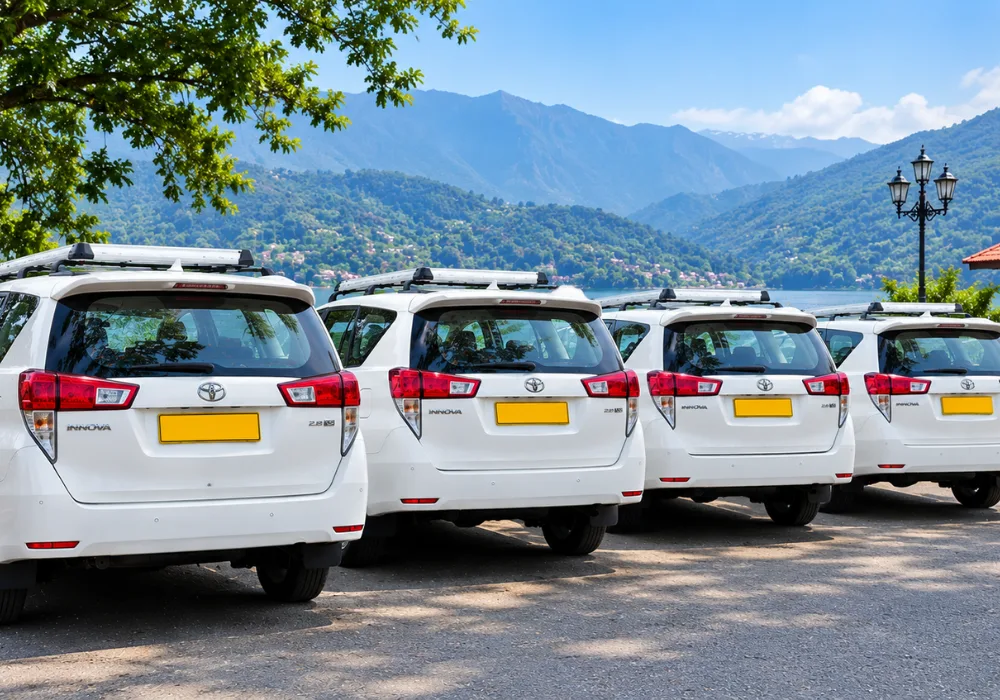
Mussoorie is about 55–60 km from Jolly Grant Airport, and the drive takes roughly 2 to 2.5 hours, passing through Dehradun city before climbing into the hills. The final stretch involves winding mountain roads, so an SUV is often more comfortable than a sedan for this route, especially with luggage.
Frequently Asked Questions
Q: What is the best month to visit Mussoorie?
October and November are generally considered the best months – clear skies, comfortable temperatures, and fewer crowds than the summer peak season.
Q: Does it snow in Mussoorie?
Yes, Mussoorie occasionally receives snowfall in December and January, particularly at higher points like Gun Hill and Lal Tibba.
Q: How many days are enough to visit Mussoorie?
Two days is generally enough to cover the main attractions comfortably. One day works for a quick visit, while three days allows a more relaxed pace with the quieter spots included.
Q: Is Mussoorie good to visit in the monsoon?
It’s a scenic time with lush greenery and fewer tourists, but heavy rainfall can cause landslides on approach roads and limit visibility at viewpoints, so it suits travelers who are flexible with plans.
Q: How far is Mussoorie from Dehradun Airport?
Approximately 55–60 km, taking about 2 to 2.5 hours by road
Q: Is Mussoorie crowded in summer?
Yes, April through June is peak season, with the highest crowds and hotel rates of the year, especially on weekends and during school holidays.