Route Guides
Dehradun Airport to Jim Corbett National Park: Distance, Route & Travel Guide
If you’re flying into Jolly Grant Airport for a wildlife safari at Jim Corbett – India’s oldest national park and home to one of its highest tiger densities – you’ll notice a genuinely confusing spread of distance and time estimates online, anywhere from 150 km to over 240 km. Here’s why that happens, what the actual journey looks like, and everything else you need to plan the trip properly.
Quick answer
The road distance from Jolly Grant Airport to Jim Corbett National Park (Ramnagar) is approximately 190–220 km, and the drive typically takes 4.5 to 5.5 hours, depending on the exact route and traffic near Haridwar and Kashipur.
Why the Distance Figures Vary So Much
You’ll see wildly different numbers across different sites – some measure from Dehradun city centre rather than the airport, some calculate via the Haridwar–Najibabad–Kashipur road, and others via a Kotdwar-based route, each with a genuinely different total distance. A few older listings also confuse “Jim Corbett National Park” (the reserve itself) with “Ramnagar” (the gateway town), which sit a short distance apart. For airport travelers specifically, the most consistent and commonly used route is via Haridwar and Najibabad, landing in the 190–220 km range.
Route from the Airport
The typical route runs: Jolly Grant Airport → Haridwar → Najibabad → Kashipur → Ramnagar (Jim Corbett gateway).
This road runs mostly through the plains rather than hill terrain, which is part of why the journey – despite the distance – is more comfortable than a similar-length hill route like Mussoorie or Auli. Expect a mix of state highway and national highway driving, with Haridwar and Najibabad as the main towns along the way.
Best Time to Visit Jim Corbett
November–February (Cool & Pleasant): Comfortable weather, good for a longer safari without heat fatigue. Tiger sightings are decent, though dense winter foliage can occasionally make spotting slightly harder.
March–June (Peak Sighting Season): As temperatures rise, animals – including tigers – head to water sources more predictably, making this widely considered the best window for actual sightings, especially April–June, right before the park closes for monsoon.
July–October (Closed for Monsoon): Most of the core zones, including the popular Dhikala zone, close during monsoon season (roughly mid-June to mid-November) due to flooding risk and to let wildlife breed undisturbed. A few buffer zones remain open, but core-zone safaris aren’t available.
Understanding Corbett's Safari Zones
Jim Corbett isn’t a single entry point – it’s divided into multiple zones, and picking the right one matters for your experience:
Dhikala Zone: The largest and most famous zone, with the highest tiger density, but requires advance booking (often weeks ahead) and typically an overnight stay inside the zone rather than a day visit.
Bijrani Zone: The most popular zone for day visitors, easily accessible from Ramnagar, and a good balance of decent sightings without Dhikala’s advance-booking pressure.
Jhirna Zone: Open through the monsoon (unlike most other zones), making it the go-to option if you’re visiting between July and October.
Durga Devi Zone: Known more for birdwatching than tiger sightings – a good pick if that’s your specific interest.
Practical tip: Safari permits are limited per zone per day and often sell out in advance during peak season (Nov–June) – book your zone and safari slot before finalizing your travel dates, not after.
Planning Your Taxi from the Airport
This is a half-day-plus journey, not a short transfer. At 4.5–5.5 hours, most travelers plan to land, head straight to Ramnagar, and settle in the same evening rather than trying to also fit in a safari on arrival day.
Book your safari slot before your taxi, not after. Since permits for popular zones like Dhikala can sell out days or weeks in advance, it’s worth locking in your safari booking first, then arranging your airport transfer around that confirmed date.
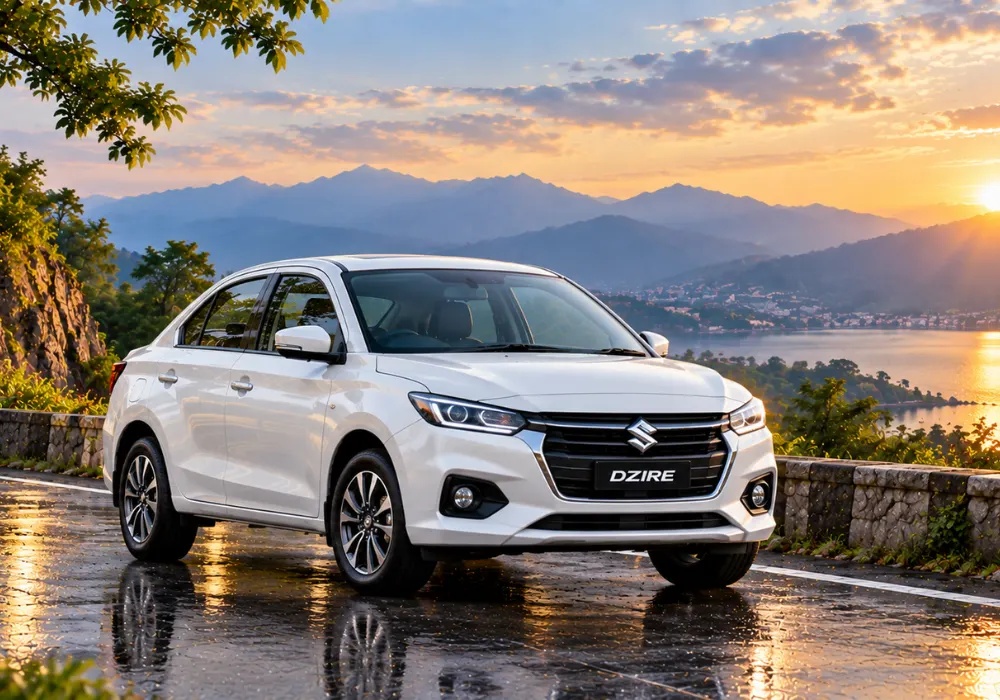
A sedan is generally fine for this route. Unlike Mussoorie or Auli, this road runs mostly through the plains, so an SUV isn’t a necessity here — though it’s still a comfortable option if you’re traveling as a larger group or with a lot of luggage.
Early morning arrival works well. If your flight lands early, you can reach Ramnagar by early-to-mid afternoon, giving you time to settle in before a next-morning safari – generally a smoother plan than arriving late and rushing.
Frequently Asked Questions
How far is Jim Corbett from Dehradun Airport?
Approximately 190–220 km by road via Haridwar and Najibabad, taking roughly 4.5 to 5.5 hours depending on traffic.
Why do different websites show different distances for this route?
Most discrepancies come from measuring against Dehradun city instead of the airport, or using a different road (via Kotdwar rather than Haridwar–Najibabad), which genuinely changes the total distance.
What is the best time to see tigers in Jim Corbett?
March through June generally offers the best sighting odds, as rising temperatures push animals toward water sources more predictably.
Is Jim Corbett open all year?
No, most core zones (including Dhikala) close during monsoon, roughly mid-June to mid-November. The Jhirna zone stays open through this period.
Do I need to book a safari in advance?
Yes, especially for the popular Dhikala and Bijrani zones during peak season (November–June), where permits can sell out days or weeks ahead.
Is a sedan okay for this route, or do I need an SUV?
A sedan is generally comfortable for this route since it runs mostly through the plains, unlike hill routes to Mussoorie or Auli.